What to Anticipate from a Comprehensive Welding Inspection Milwaukee Refine
Understanding the Significance of Welding Assessment in Ensuring Structural Integrity and Safety Across Various Industries
Welding examination is a crucial procedure that safeguards structural honesty and safety across diverse markets. As we discover the complexities of welding assessment, the inquiry occurs: what are the most essential factors that add to effective assessment procedures?
Duty of Welding Assessment
While the stability of welded structures is extremely important to security and efficiency, the role of welding examination can not be overstated. Welding assessment functions as a crucial high quality control procedure that ensures the adherence to developed requirements and specifications throughout the welding procedure. By systematically assessing welds for issues, variances, and non-compliance, inspectors play an essential duty in protecting the integrity of frameworks across numerous sectors.
Welding examinations incorporate a range of tasks, from pre-weld analyses to post-weld assessments. These evaluations not only recognize possible problems prior to they intensify but additionally improve the overall reliability and life-span of welded elements. Welding Inspection Milwaukee. Evaluations help to validate the ability and competencies of welders, ensuring that welding procedures are performed appropriately and materials are compatible
Additionally, a strenuous assessment method fosters conformity with regulatory demands and industry requirements, reducing the threat of devastating failings. By promoting a society of safety and liability, welding assessment contributes significantly to both operational and economic effectiveness. Altogether, the duty of welding assessment is important, as it underpins the top quality, security, and longevity of bonded frameworks vital to modern-day infrastructure and market.
Kinds of Welding Assessments
Understanding the different sorts of welding evaluations is important for maintaining the top quality and safety of bonded frameworks. Welding assessments can be classified right into numerous types, each serving a certain objective in the assessment procedure.
Aesthetic evaluation is the most basic kind, including a careful assessment of the welds with the naked eye or via zoom. This technique aids identify surface area issues such as cracks, incomplete blend, or extreme spatter.
These techniques enable examiners to examine the integrity of welds without compromising the product's framework. Ultrasonic testing uses high-frequency audio waves to find interior defects, while radiographic testing uses X-rays or gamma rays to envision interior weld attributes.
Destructive screening, though much less typical, includes literally evaluating samples to comprehend the weld's mechanical residential or commercial properties. Each sort of assessment adds to a comprehensive analysis, making certain that welding meets industry requirements and safety demands.
Sector Standards and Laws
Developing sector standards and guidelines is essential for making sure the safety and dependability of bonded structures. These requirements act as standards for efficiency, safety and security, and quality, leading makers and assessors in the implementation of welding processes. Different organizations, such as the American Welding Society (AWS) and the International Organization for Standardization (ISO), have established extensive criteria that determine treatments for review welding practices, qualification of welders, and assessment strategies.
Conformity with these laws not only boosts the quality of welds but likewise lessens threats associated with architectural failings. Particular codes, such as the ASME Central Heating Boiler and Pressure Vessel Code, outline needs for the construction of stress vessels, guaranteeing they can hold up against operational anxieties. Additionally, national and local laws usually mandate adherence to these sector criteria, reinforcing their relevance throughout industries like building and construction, aerospace, and vehicle manufacturing.
Normal updates to these criteria mirror improvements in technology and welding strategies, making sure that security measures continue to be appropriate. Hence, a comprehensive understanding and execution of these standards is crucial for welding experts, promoting a society of security and high quality in welded structures.
Consequences of Poor Inspections
Insufficient evaluations can lead to serious consequences in the welding market, threatening the very policies and criteria designed to make sure security and architectural stability. The effects of inadequate examinations can show up in various forms, from instant safety and security hazards to lasting architectural failings.
In addition, insufficient evaluations can stain a company's track record and outcome in lawful effects, including penalties and lawsuits. Non-compliance with recognized criteria not just jeopardizes the stability of projects see this here however likewise diminishes consumer rely on the brand name. In addition, the economic effects can be shocking, including both direct prices associated with repairs and indirect expenses such as shed company opportunities and enhanced insurance premiums. Inevitably, the implications of bad inspections extend beyond individual jobs, impacting industry-wide requirements and public assumption, therefore stressing the crucial demand for effective and rigorous welding evaluations.
Finest Practices for Effective Evaluations
Efficient welding assessments are vital to guaranteeing the honesty and safety of welded frameworks. To achieve optimum results, examiners have to abide by several ideal methods that boost the assessment process.

Second of all, inspectors should possess the required credentials and certifications appropriate to the welding procedures and materials being analyzed. Ongoing training and expert advancement are vital to remaining updated on market requirements and technical improvements.
Furthermore, using appropriate inspection devices and strategies, such as visual evaluations, ultrasonic testing, and radiographic assessments, is vital for spotting problems that can endanger architectural integrity.
Lastly, detailed paperwork of the evaluation procedure is vital. This includes recording findings, photographs, and any type of restorative actions taken. Clear and specific reporting not only assists in responsibility but also help in future inspections and upkeep. By executing these best practices, companies can considerably enhance the efficiency of their welding inspections and ensure secure, reliable procedures.
Final Thought

In final thought, welding inspection is vital for keeping structural integrity and security across different sectors. Prioritizing effective welding inspections is crucial to make sure the security of workers, assets, and total functional integrity.
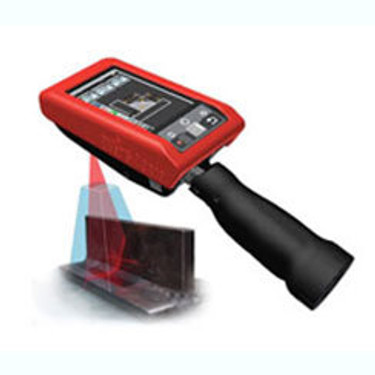
As we explore the intricacies of welding assessment, the inquiry occurs: what are the most crucial aspects that add to reliable evaluation procedures?
Welding assessment serves as a vital quality control procedure that ensures the adherence to developed standards and specs throughout the welding operation. In sum, the duty of welding inspection is crucial, as it underpins the top quality, safety and security, and longevity of welded frameworks necessary to click to investigate modern-day facilities and sector.
Numerous organizations, such as the American Welding Culture (AWS) and the International Organization for Standardization (ISO), have created extensive standards that dictate treatments for welding techniques, credentials of welders, and evaluation strategies.
Eventually, the ramifications of poor assessments prolong beyond specific projects, affecting industry-wide criteria and public perception, therefore highlighting the vital need for efficient and rigorous welding examinations.